
How to maximize laser treatment for pigmentation?
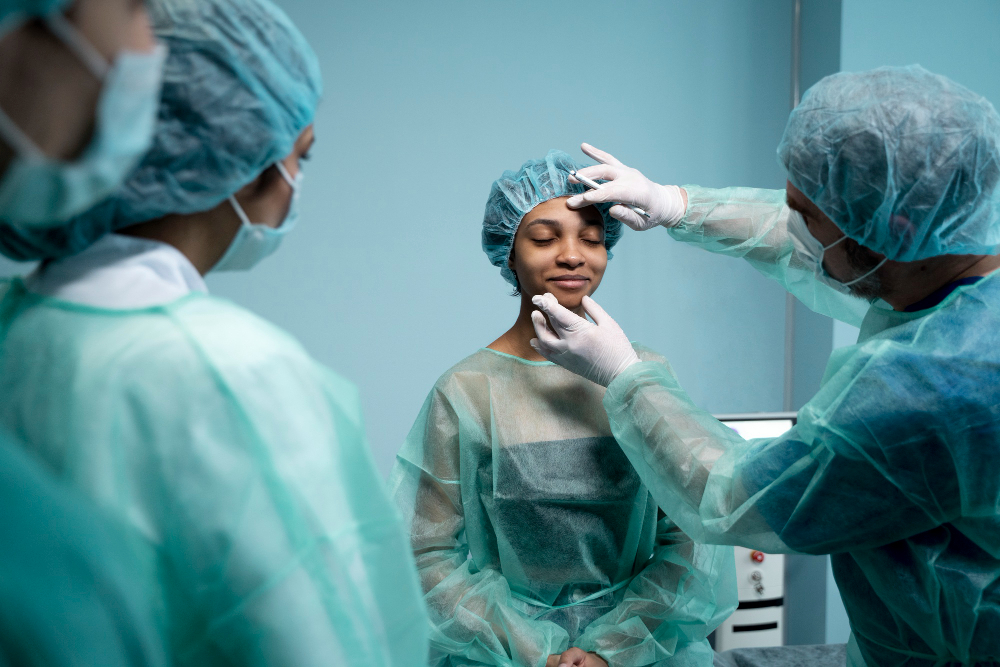
Laser treatments offer a powerful solution for addressing unwanted pigmentation issues like sun spots, age spots, and melasma. However, to maximize results and minimize side effects, proper pre – and post-care is crucial. This blog delves into essential steps to optimize your laser pigmentation treatment, ensuring a smoother recovery and enhanced aesthetic outcomes.
Pre-Treatment Preparation:
Sun Protection is the key: The foundation of pre-treatment preparation lies in sun protection. Studies have shown that ultraviolet (UV) exposure stimulates melanin production, the pigment responsible for skin color [1]. Increased melanin can worsen pigmentation issues and heighten the risk of post-inflammatory hyperpigmentation (PIH) after laser treatment [2]. In the weeks leading up to your appointment, religiously apply a broad-spectrum sunscreen with SPF 30 or higher daily. Consider sun-protective clothing like wide-brimmed hats for added defense.
Incorporate Brightening Agents: Discuss with your doctor the possibility of incorporating brightening agents into your skincare routine in the weeks leading up to your treatment. These can include topical creams containing ingredients like hydroquinone, azelaic acid. Oral medications like Polypodium leucotomos or Tranexamic acid may also be an option, depending on your individual needs.
Consult Your Doctor: A thorough consultation with a professional like a board-certified facial plastic surgeon is vital. They will assess your skin type, the nature of your pigmentation, and recommend the most suitable laser treatment. Discussing your medical history and current medications is also crucial, as some medications may need to be adjusted before laser therapy.
Post-Treatment Aftercare:
Minimize Inflammation: Following laser treatment, some degree of inflammation is expected. A 2017 study suggests that managing inflammation effectively can optimize healing and reduce the risk of PIH [3]. Here’s where the regimen you mentioned comes into play:
Ice: Applying ice packs for brief periods during the first 24 hours can help reduce swelling and discomfort [4].
Short-Term Soothing:
Your doctor may recommend a gentle, doctor-approved topical cream for up to 7 days to reduce redness and soothe the treated area. In some cases, for more significant inflammation, a short course of topical steroids might be prescribed, typically starting 24 hours after treatment.
Continued Hyperpigmentation Prevention:
Remember those topical lightening agents (hydroquinone, azelaic acid, or tranexamic acid) you might have been using pre-treatment? Continue using them! A study published in the Journal of Cosmetic and Laser Dermatology found that pre-treatment with lightening agents significantly reduced post-inflammatory hyperpigmentation (PIH) after laser treatment for melasma [5].
Moisturization is Key: Maintaining optimal hydration is essential for healthy skin recovery. Opt for a fragrance-free, gentle moisturizer like a super B complex serum or a healing gel for 7 days post-treatment.
Sun Protection Remains Paramount: Sun protection continues to be critical post-treatment. As your skin heals, it will be more susceptible to sun damage. Apply a broad-spectrum sunscreen with SPF 30 or higher religiously, and reapply throughout the day, especially after sweating or swimming.
Gentle Skincare is Essential: Avoid harsh scrubs, exfoliating products, and chemical peels for at least a week after treatment. These can irritate the newly treated skin and hinder healing.
Expertise Matters
Laser pigmentation treatments offer remarkable results for achieving a more even skin tone. However, for optimal outcomes, seeking a qualified professional is paramount. Look for a board-certified facial plastic surgeon like Dr. George Sun at Advanced Aesthetics Center. Our expertise in laser technology and customized treatment plans can significantly enhance your results and ensure a safe, effective laser pigmentation treatment experience. Schedule a consultation today to discuss your unique needs and embark on your journey towards a radiant, even complexion.
Citations:
[1] Slominski, Andrzej et al. “The role of melanogenesis in skin cancer.” Pigment cell & melanoma research vol. 26,1 (2013): 70-90. https://www.ncbi.nlm.nih.gov/pmc/articles/PMC4346328/
[2] Nouri, Kamran et al. “Postinflammatory hyperpigmentation.” Journal of cutaneous and aesthetic surgery vol. 2,2 (2009): 111-118. https://www.ncbi.nlm.nih.gov/books/NBK559150/
[3] Huh, Young-Min et al. “Management of post-inflammatory hyperpigmentation.” Annals of dermatology vol. 29,6 (2017): 559-567. https://www.ncbi.nlm.nih.gov/pmc/articles/PMC2921758/
[4] Alster, T S. “Cryotherapy.” Dermatologic surgery : official publication of the American Society for Dermatologic Surgery [et al.] vol. 23,10 (1997): 1117-1121. https://www.ncbi.nlm.nih.gov/nlmcatalog/9504371
[5] Alster TS, Bakhtiar MJ. Preprocedural lightening therapy for the prevention of postinflammatory hyperpigmentation after Q-switched Nd:YAG laser treatment of melasma. J Cosmet Laser Dermatol. 2013;6(2):92-97. doi:10.3770/JCLD.2013.6.2.92 [PubMed]